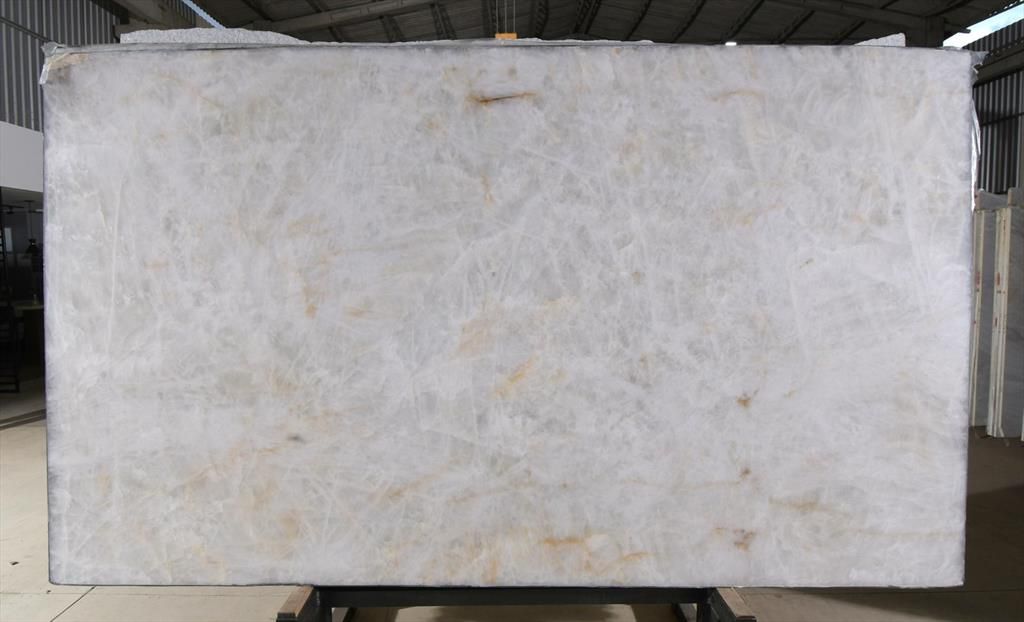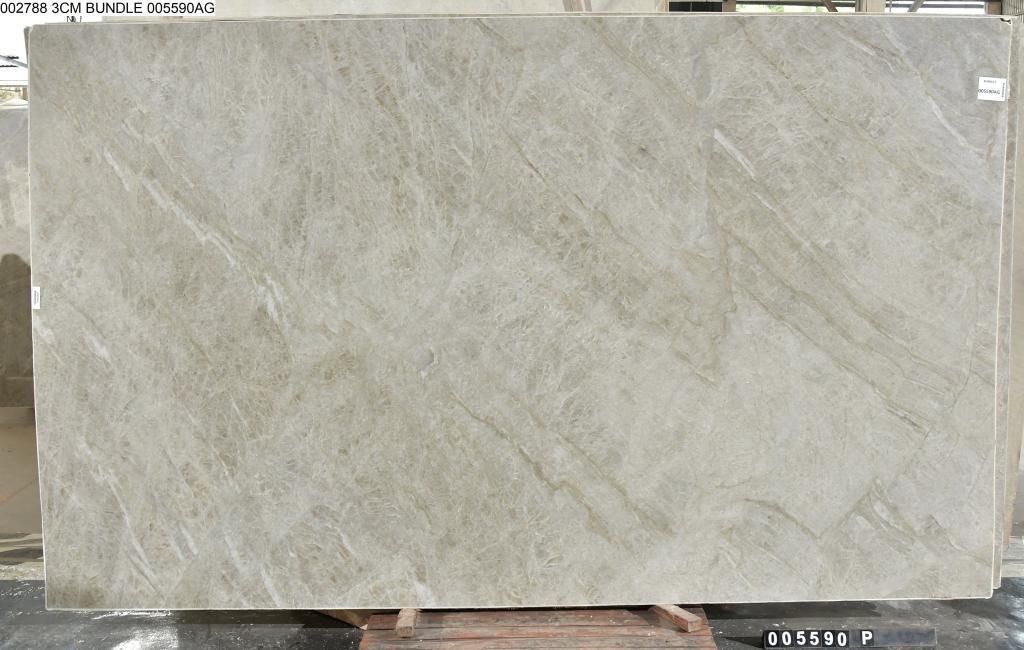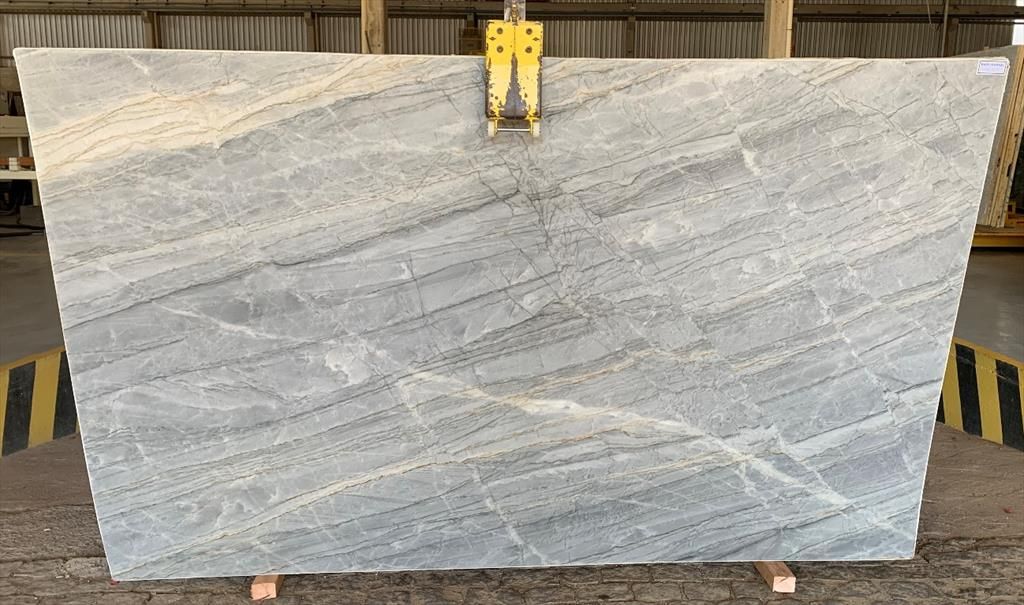
They sound alike but are completely different. Quartzite is a natural stone quarried from the earth. Quartz countertops are engineered — crushed quartz bound with resin and pigment in a factory. Quartzite wins on heat, sunlight, and one-of-a-kind character; engineered quartz wins on uniformity and no sealing.
| Quartzite | Quartz (engineered) | |
|---|---|---|
| What it is | 100% natural stone | About 90% ground quartz + resin + pigment |
| Each slab | Unique | Uniform, repeatable |
| Heat | Excellent — you can set hot pans down | Resin can scorch or discolor |
| Outdoors / sunlight | UV-stable | Can yellow or fade in sun |
| Sealing | Yes, about once a year | No |
| Scratch resistance | High | High |
| Seams | Matched by hand | Easier to match |
| Best for | Natural character, outdoor and sunny spaces | Uniform look, zero sealing |
Quartz is a mineral. Quartzite is a natural rock made almost entirely of that mineral. Engineered "quartz" countertops borrow the mineral’s name because they are made from crushed quartz — but held together with polymer resin and colored with pigment. That resin is the source of both quartz’s strengths (non-porous, uniform) and its weaknesses (heat and sunlight).
This is where natural stone pulls ahead. Quartzite formed under enormous heat and does not mind a hot pan. Engineered quartz resin can scorch or discolor under direct high heat, and many manufacturers advise against outdoor use because UV light can yellow or fade it. For lanais, outdoor kitchens, and sunny windows, quartzite is the safer surface.
Honestly: it never needs sealing, and every slab looks the same, which makes large projects and seams simple. If those matter more than natural character, it is a reasonable product. NSC sells natural stone only, so we focus on helping you choose the right quartzite.
Leave your info — we'll send pricing and photos.
No. Quartzite is a natural stone quarried from the earth. Quartz countertops are engineered from crushed quartz, resin, and pigment in a factory.
Yes. Quartzite handles hot pans well; the resin in engineered quartz can scorch or discolor under high heat.
Many manufacturers advise against it, because UV light can yellow or fade the resin. Quartzite is UV-stable and handles outdoor kitchens well.
They overlap. Common quartzites and premium engineered quartz can cost about the same; rare quartzites cost more. Ask for current pricing on specific stones.
A little — quartzite should be sealed about once a year; engineered quartz does not need sealing. Day-to-day cleaning is the same.