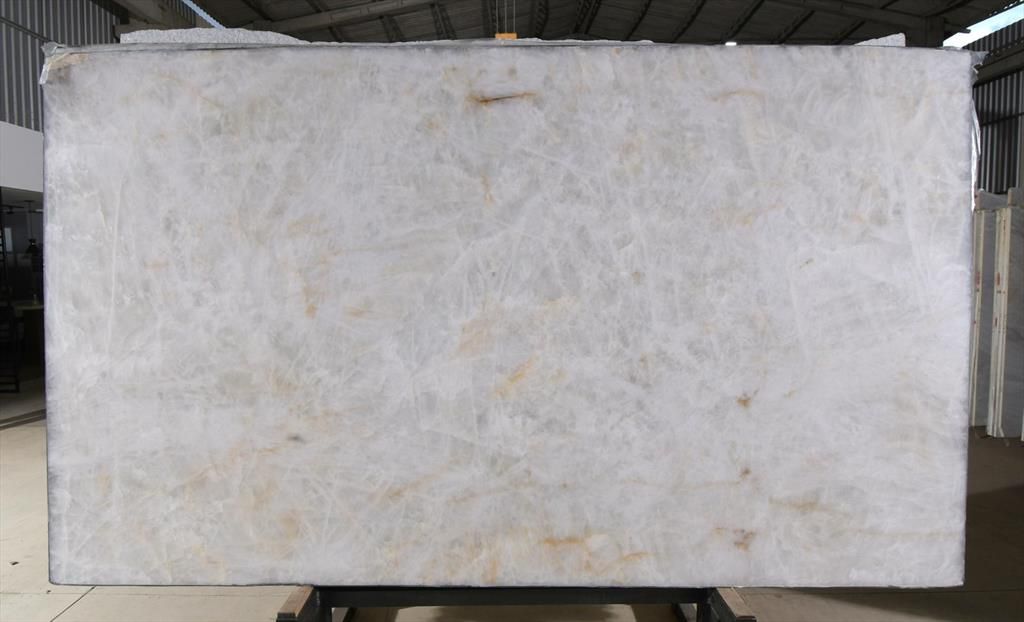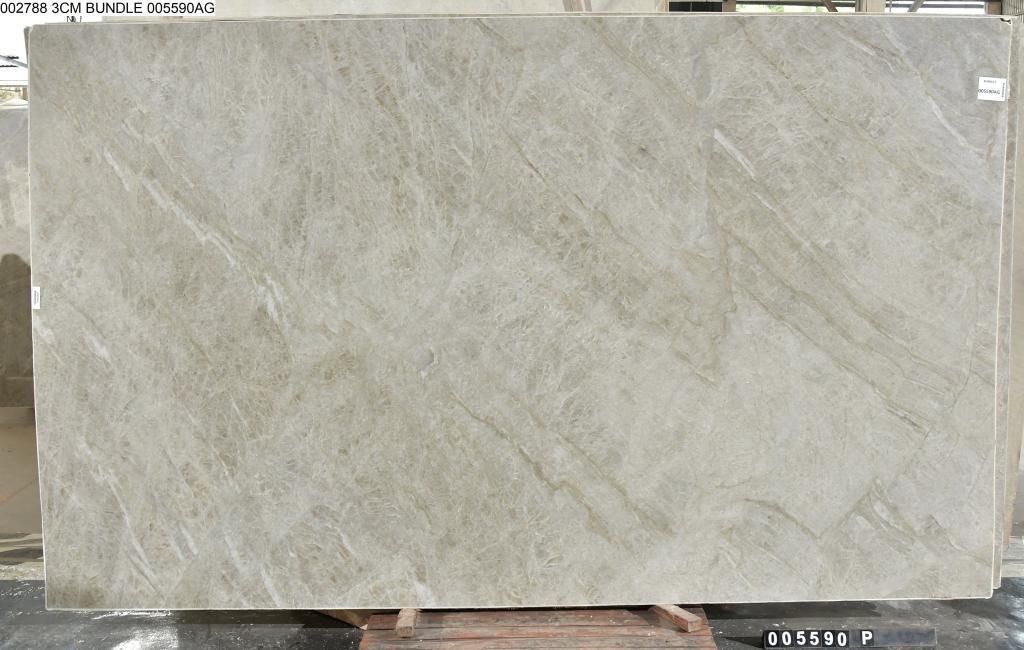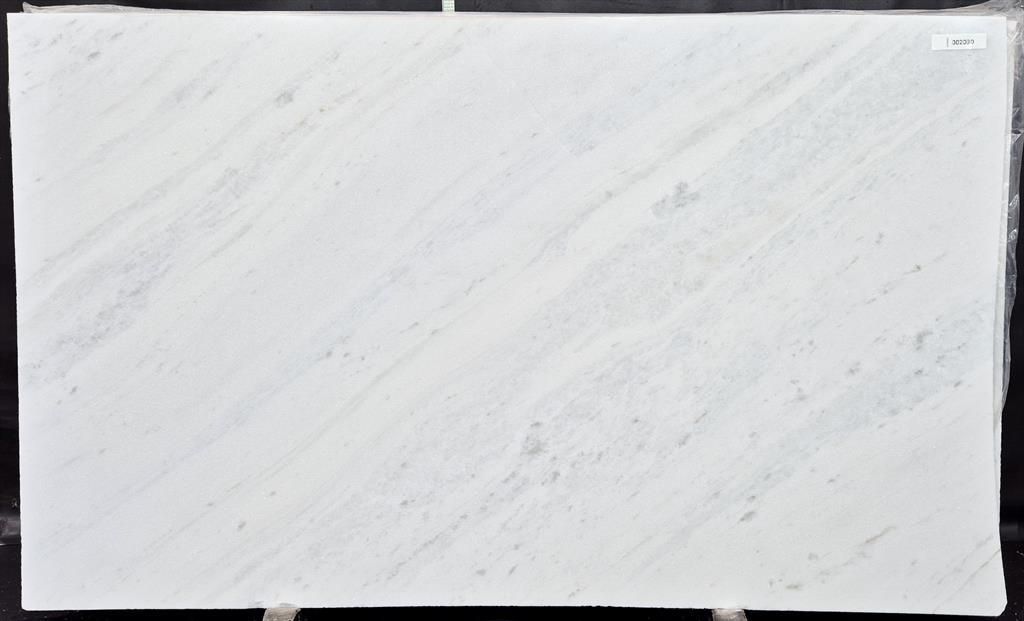
Two of the most requested kitchen stones, for different reasons. Taj Mahal is a warm-cream quartzite that gives a soft marble look with granite-level toughness. Calacatta Gold is the iconic bright-white Italian marble with bold gold veining — more dramatic, but softer and more demanding.
| Taj Mahal | Calacatta Gold | |
|---|---|---|
| Stone type | Quartzite | Marble |
| Color | Warm cream and ivory | Bright white |
| Veining | Soft gold and taupe, subtle | Bold, thick gold and grey |
| Hardness (Mohs) | About 7 | About 3–4 |
| Etching | No | Yes |
| Maintenance | Seal about once a year | Seal often; accept patina |
| Look | Quiet, warm, organic | Dramatic, classic luxury |
Both are chosen for a "marble kitchen" feel. Calacatta Gold is the original look — crisp white, bold veins — with all of marble’s softness. Taj Mahal is the practical interpretation: warmer and quieter, but tough enough that daily cooking will not mark it.
Some clients put Calacatta Gold where it is seen most and used least — a bookmatched backsplash, a bar, a powder room — and a quartzite like Taj Mahal or White Macaubas on the working counters. You get the drama where it shows and durability where it matters.
Leave your info — we'll send pricing and photos.
Not closely. Taj Mahal is warm cream with soft, subtle veining; Calacatta Gold is bright white with bold gold veining. They are often compared because both are chosen for a marble-style kitchen.
For a kitchen that is cooked in daily, Taj Mahal — it is a quartzite that does not etch. Calacatta Gold is a marble that etches and scratches, best for clients who accept patina.
White Macaubas and White Taj are the closest white quartzites, though no quartzite exactly matches Calacatta’s bold gold veining.
Calacatta Gold is generally the more expensive of the two because of its rarity. Request current pricing on both.