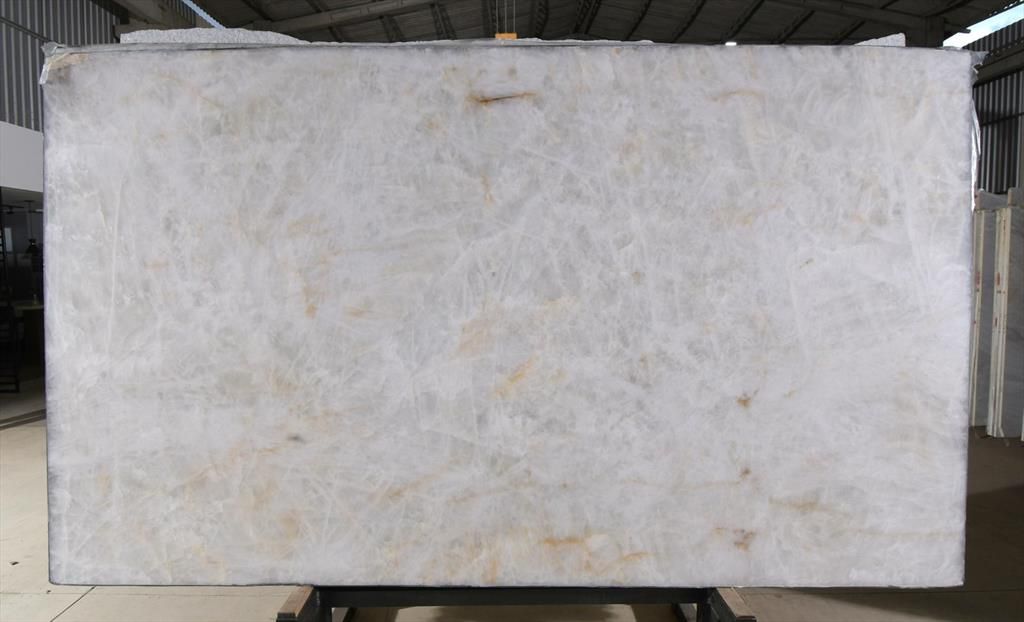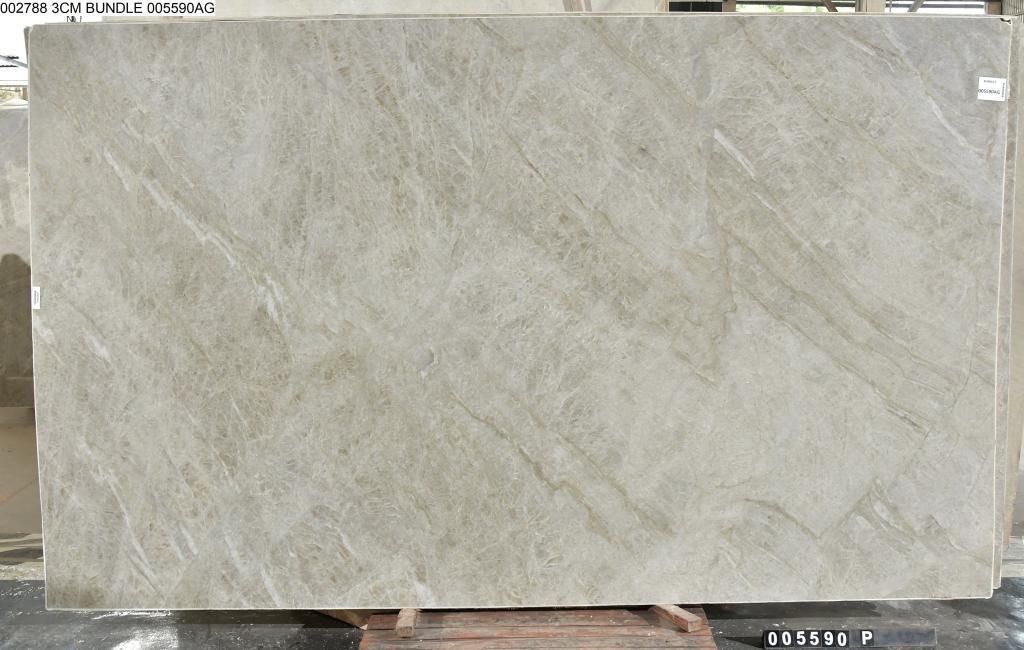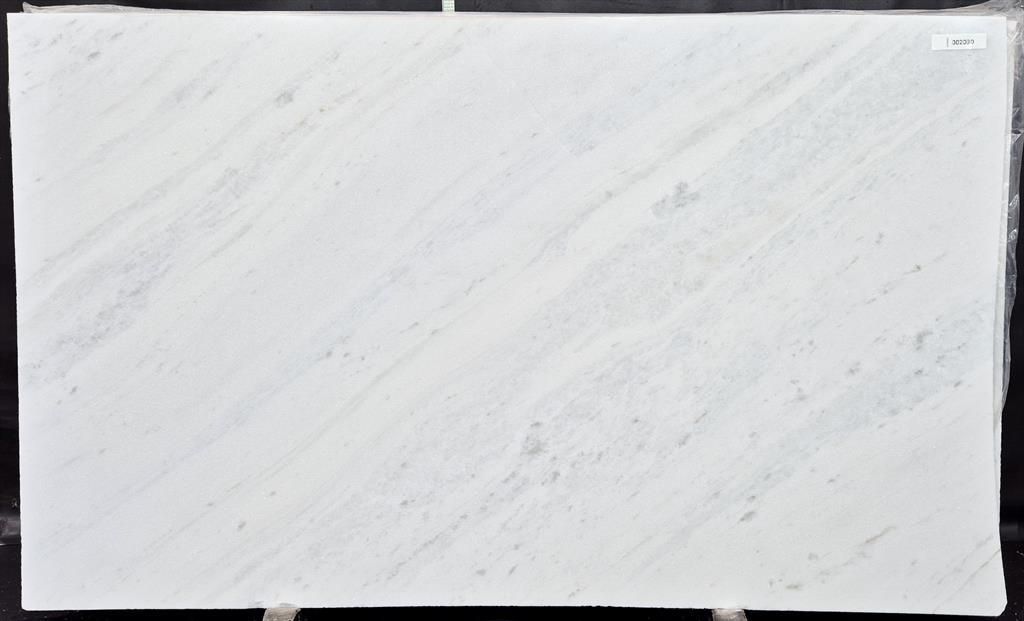
Marble is softer and etches from everyday acids; quartzite is about twice as hard and does not etch. If you want the marble look in a kitchen you actually cook in, quartzite is usually the better call. If you love the way marble ages and the space sees little acid, nothing replaces real marble.
| Quartzite | Marble | |
|---|---|---|
| Hardness (Mohs) | About 7 — harder than glass | About 3–4 — softer than a knife |
| Etching from lemon, wine, vinegar | No | Yes — dulls the polish |
| Scratch resistance | High | Low to moderate |
| Heat resistance | Excellent | Good |
| Sealing | Yes, about once a year | Yes, more often |
| How it ages | Stays crisp | Develops a patina |
| Looks | Often marble-like, with translucent depth | Classic veining, brightest whites |
| Best for | Busy kitchens, outdoor kitchens, families | Bathrooms, fireplaces, patina lovers |
Both stones are metamorphic — rocks transformed by heat and pressure — but they start from different material. Quartzite begins as quartz sandstone and ends up bound by quartz, one of the hardest common minerals. Marble begins as limestone and ends up made of calcite, which is soft and reacts with acid.
Everything else follows from that. Quartz shrugs off knives and lemon juice; calcite does not.
Staining is something soaking into the stone; sealing helps prevent it, and both stones should be sealed. Etching is a chemical reaction: acid dissolves a thin layer of calcite and leaves a dull, matte mark. Sealer does not stop etching. That is why marble etches even when sealed, and why quartzite — which has no calcite — does not.
On marble, a honed finish hides etch marks far better than polished, because the whole surface is already matte.
Ask for a sample and try two tests. First, drag a corner of the stone across a piece of glass: true quartzite scratches glass, marble does not. Second, leave a few drops of lemon juice or vinegar on the polished face for ten minutes, then wipe: marble shows a dull spot, quartzite does not.
These tests matter because some stones are sold as "quartzite" when they are really dolomite or marble — see our Quartzite vs Dolomite guide.
If the goal is the marble look with quartzite performance, start with Taj Mahal (warm cream), White Macaubas (crisp white with linear veining), and White Taj (bright and cool). For the real thing, Carrara is the most attainable Italian marble and Calacatta Gold the most iconic.
Leave your info — we'll send pricing and photos.
For most working kitchens, yes. Quartzite is about twice as hard as marble and does not etch from acids, so it stays looking new. Marble is beautiful but etches and scratches, which some owners love as patina and others find frustrating.
No. Etching happens when acid reacts with calcite, and true quartzite contains little to none. Marble etches even when sealed.
It depends on the stone. Common quartzites and accessible marbles like Carrara overlap; rare stones like Calacatta marble or Cristallo quartzite cost more. Ask for current pricing on the specific stones you are considering.
True quartzite scratches glass; marble does not. Lemon juice or vinegar left on marble for ten minutes leaves a dull etch mark; on quartzite it does not.
Yes. Quartzite is hard but still slightly porous, so seal it on install and about once a year in a busy kitchen.
Both are 100% natural stone, quarried as blocks and cut into slabs. Every slab of either is unique.