Stone type
Marble

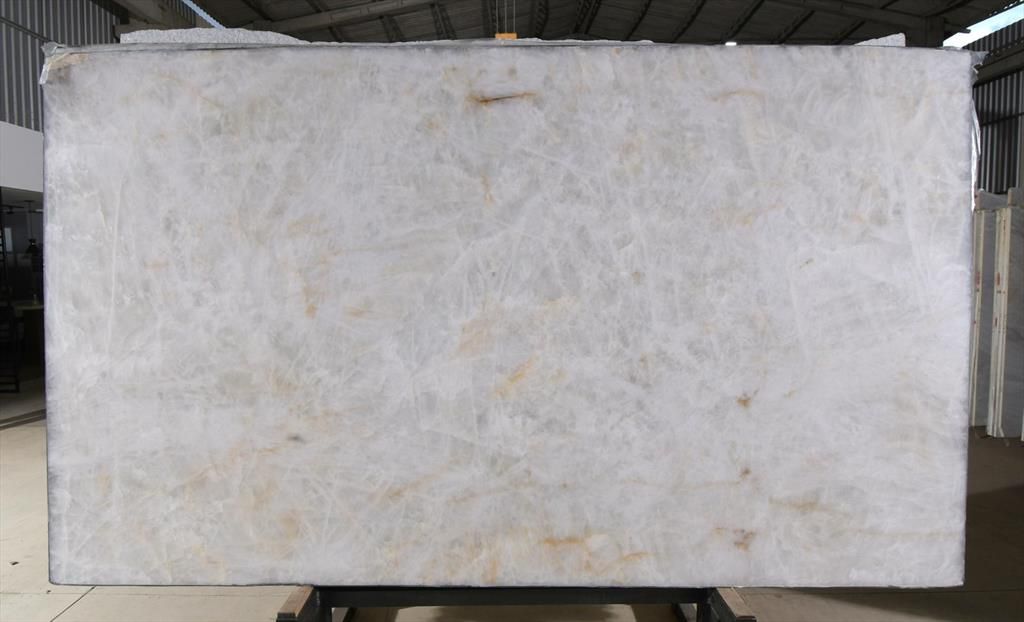
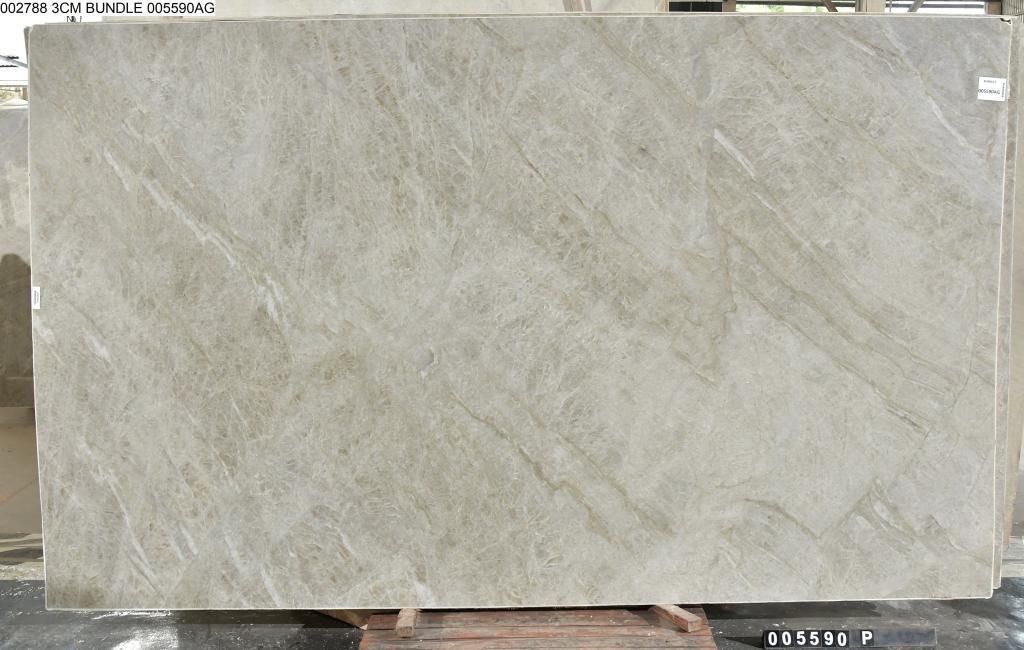
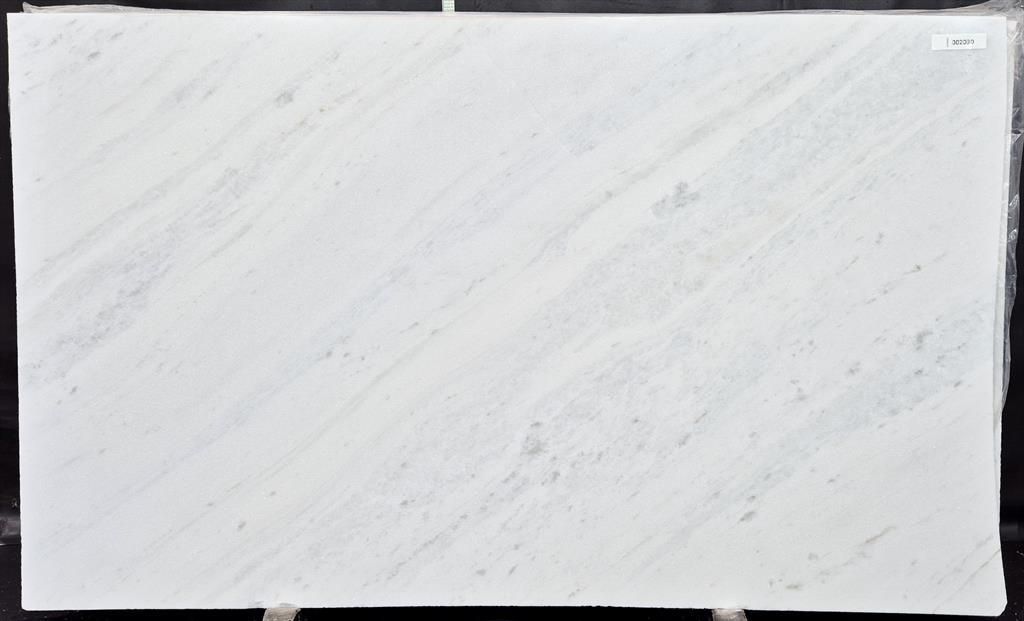
The original marble — soft grey-white with fine, feathery veining. The most recognized and most attainable of the Italian white marbles.
Carrara marble is quarried around the city of Carrara in Tuscany, Italy, the most famous marble district in the world. It is the most widely available and most affordable of the classic Italian white marbles, with a soft grey-white ground and fine, feathery grey veining that reads as a gentle haze rather than bold lines.
Where Calacatta and Statuario are bold and rare, Carrara is quiet and attainable — which is exactly why it has been the default marble for countertops, floors, and sculpture for centuries.
A true marble around 3–4 Mohs. It etches on contact with acids regardless of sealing, scratches more easily than quartzite, and needs regular sealing against staining. The trade-off is the standard marble one — specify it for clients who want real marble and accept patina. A honed finish hides etching markedly better than polished, which is why so many Carrara kitchens are honed.
A cool, soft grey-white ground with delicate, feathery grey veining — understated and timeless. The grey base is more forgiving of etching and wear than a stark bright white, part of why it ages gracefully.
Honed is extremely common for Carrara — soft, matte, and far better at hiding etching and water spots. Polished brings a brighter, more reflective look for walls and low-use surfaces.
Bathrooms (vanities, shower walls, floors), fireplace surrounds, feature walls, and honed kitchen counters for marble-accepting clients. Its availability and value make it a go-to for larger marble projects.
Endlessly flexible — its cool grey-white works with virtually any cabinetry and hardware, from classic white-and-chrome bathrooms to modern grey kitchens. The safest, most timeless marble choice.
If you want more drama or less maintenance:
Carrara is the most attainable of the Italian white marbles; within it, cleaner grounds and larger slabs price higher, and finish and thickness factor in. NSC sources it on demand; request current wholesale pricing and availability.
Leave your info — we'll send Carrara pricing and photos.
It can be, for clients who accept that marble etches and develops a patina, and who choose a honed finish. Its soft grey base and honed surface hide wear better than a bright white marble. For zero maintenance, a quartzite is the alternative.
Carrara has a softer grey ground with fine feathery veining and is more affordable and available. Calacatta has a whiter ground with bolder gold-and-grey veining and is rarer and pricier. Both come from the Carrara region of Italy.
Yes — acids such as lemon, wine, and vinegar dull its polish regardless of sealing. A honed finish hides etching much better, which is why many Carrara kitchens are honed.
It is the most widely quarried of the classic Italian white marbles, so supply is larger. Its quiet grey-and-white look is also less rare than bold Calacatta or Statuario veining.
Seal it regularly, wipe acidic spills promptly, use boards and trivets, and prefer a honed finish on working surfaces. Expect and accept some patina over time.
We source Carrara to order. Tell us your project and we will send current pricing, availability, and photos of what we can source.