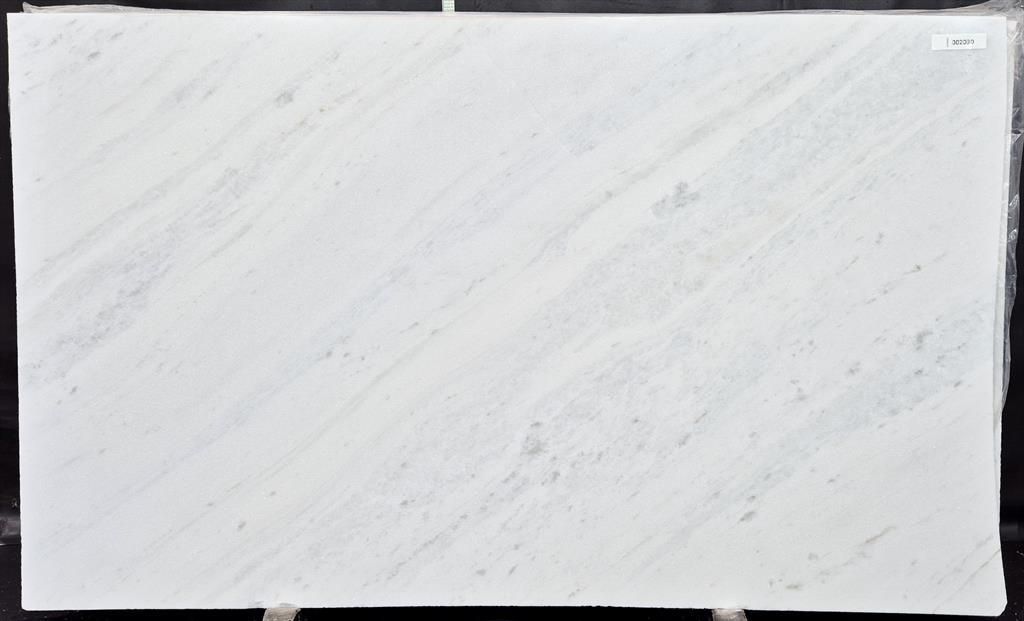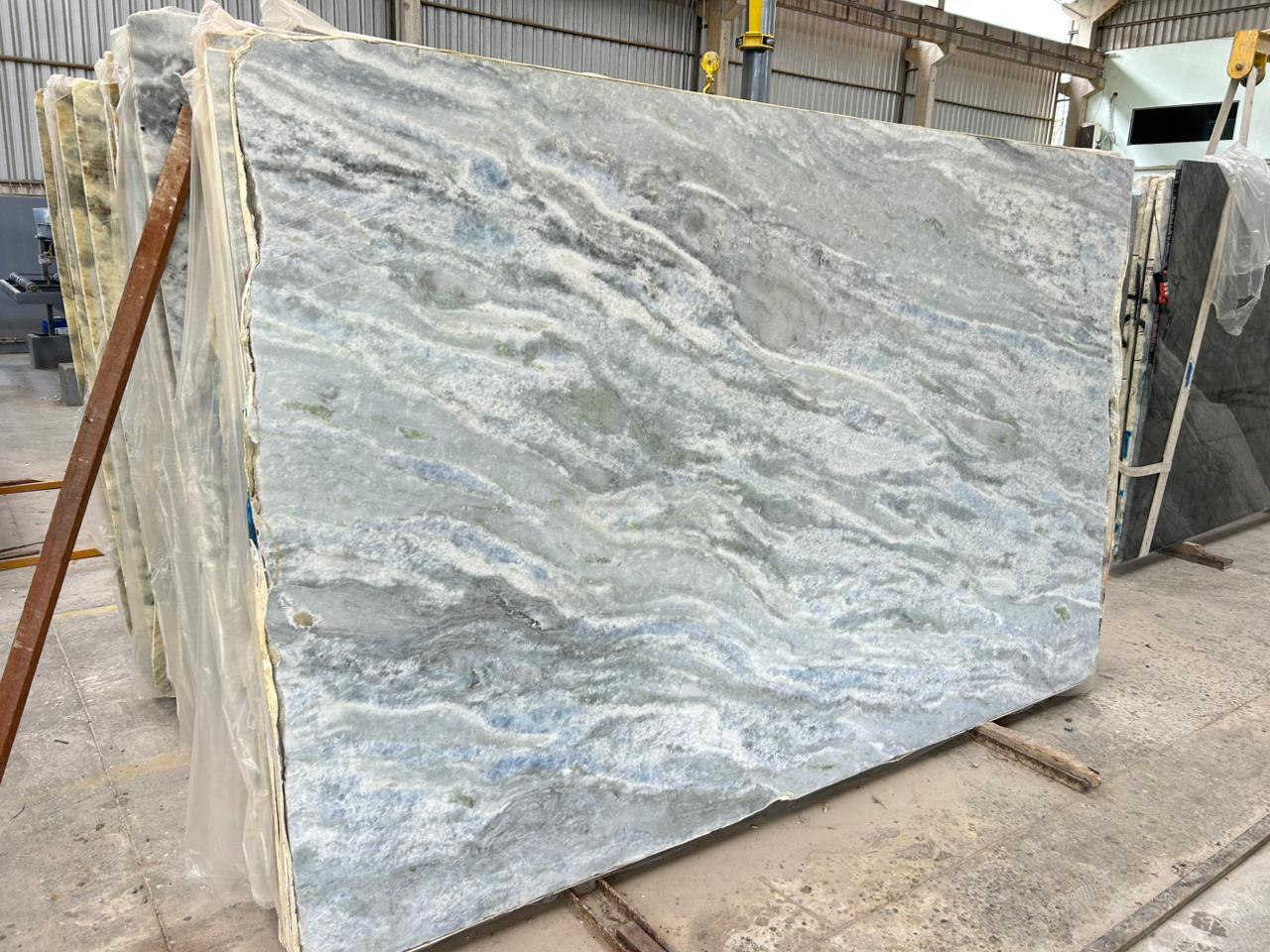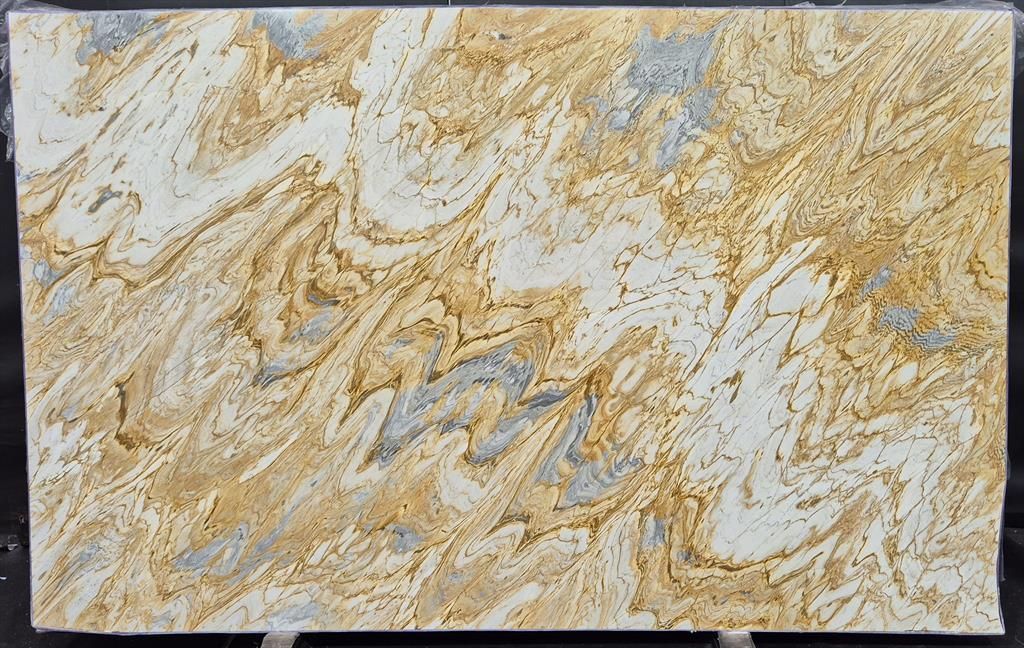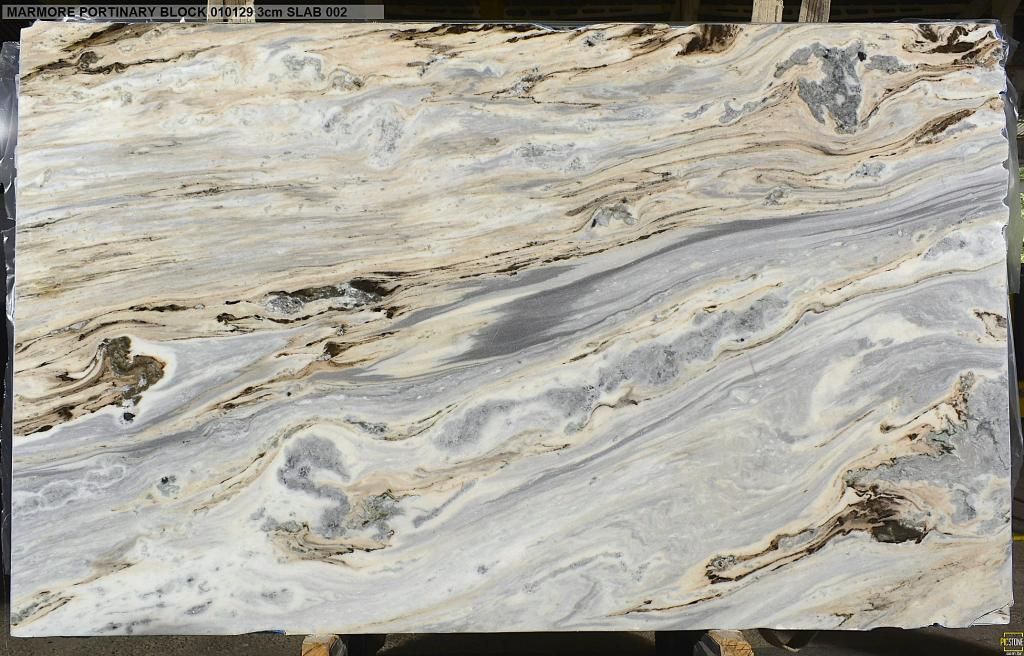
Both are Italian white marbles from the same mountains. Carrara is soft grey-white with fine, feathery veining and is the more attainable of the two. Calacatta is whiter, with bold, thick gold-and-grey veining, and is rarer and more expensive.
| Calacatta | Carrara | |
|---|---|---|
| Background | Bright white | Soft grey-white |
| Veining | Bold, thick, gold and grey | Fine, feathery grey |
| Rarity | Rare | Abundant |
| Price level | High | Most attainable Italian white |
| Durability | Marble — etches, needs sealing | Marble — etches, needs sealing |
| Hides wear | Etching shows more on bright white | Grey base hides wear better |
| Best for | Statement islands, feature walls | Large areas, bathrooms, honed kitchens |
Both come from the Apuan Alps around Carrara in Tuscany. Carrara is quarried in large volumes, which keeps it widely available. Calacatta comes from fewer, smaller deposits, which is reflected in its price. Statuario sits between them: a bright white ground like Calacatta, with grey rather than gold veining.
They behave the same: both are calcite marble, both etch and scratch, and both need regular sealing. In practice Carrara is more forgiving, because its grey base and soft veining disguise etch marks and wear. Honed finishes are the smart choice for either in a kitchen.
Leave your info — we'll send pricing and photos.
Calacatta. It comes from fewer, smaller deposits and its bright white ground and bold veining are in high demand. Carrara is the most attainable Italian white marble.
Look at the background and veins: Calacatta is brighter white with thick, bold gold-and-grey veining; Carrara is soft grey-white with fine, feathery grey veining.
No — both are calcite marble with the same hardness. Both etch and need sealing. Carrara simply hides wear better because of its grey base.
Both have a bright white ground. Calacatta veining is thicker and warmer, often gold; Statuario veining is grey and more defined.